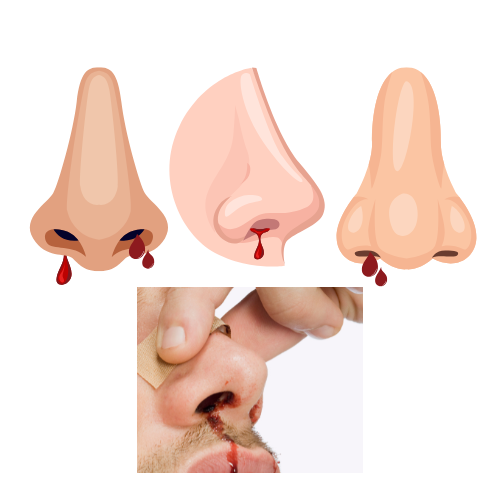
Nosebleeds (epistaxis) can be alarming, but most cases can be managed with simple first aid. Here’s what you need to know:
Causes of Nosebleeds
Dry air: Low humidity can dry out the nasal passages, making them more susceptible to bleeding.
Trauma: A blow to the nose or face can cause blood vessels to rupture.
Cold or allergies: Respiratory infections, allergies, or sinusitis can cause nasal congestion and bleeding.
High blood pressure: Uncontrolled hypertension can lead to blood vessel rupture.
Nasal polyps or tumors: Abnormal growths in the nasal passages can cause bleeding.
First Aid
First Aid Measures for Nosebleeds
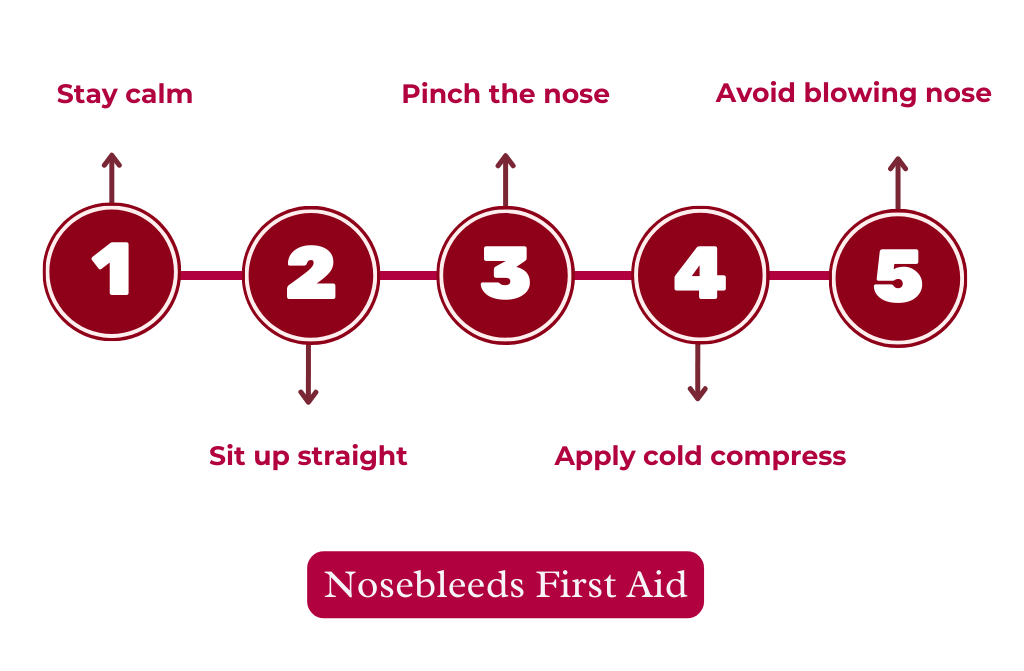
Stay calm
Reassure the person that nosebleeds are common and usually easy to treat.
Sit up straight
Have the person sit up straight and lean forward to prevent blood from flowing down the back of the throat.
Pinch the nose
Use the thumb and index finger to pinch the soft part of the nose shut for 5-10 minutes.
Apply cold compress
Apply a cold, damp washcloth or ice pack to the bridge of the nose to constrict blood vessels.
Avoid blowing nose
Avoid blowing the nose for at least 24 hours after the bleeding stops.
When to Seek Medical Attention
Severe bleeding: If the bleeding is heavy, rapid, or doesn’t stop after 10-15 minutes of pressure.
Recurring bleeding: If nosebleeds occur frequently or are accompanied by other symptoms like facial pain or difficulty breathing.
Injury or trauma: If the nosebleed is caused by a severe injury or trauma.
Underlying conditions: If you have a bleeding disorder, are taking anticoagulant medications, or have a history of nasal polyps or tumors.
Prevention
Prevention
Use humidifiers: Dry air can exacerbate nosebleeds, so using a humidifier can help keep the nasal passages moist.
Stay hydrated: Drink plenty of water to keep your body hydrated and your nasal passages moist.
Avoid picking or blowing nose: Refrain from picking or blowing your nose, as this can cause irritation and bleeding.
By following these steps and seeking medical attention when necessary, you can help manage nosebleeds and prevent complications.
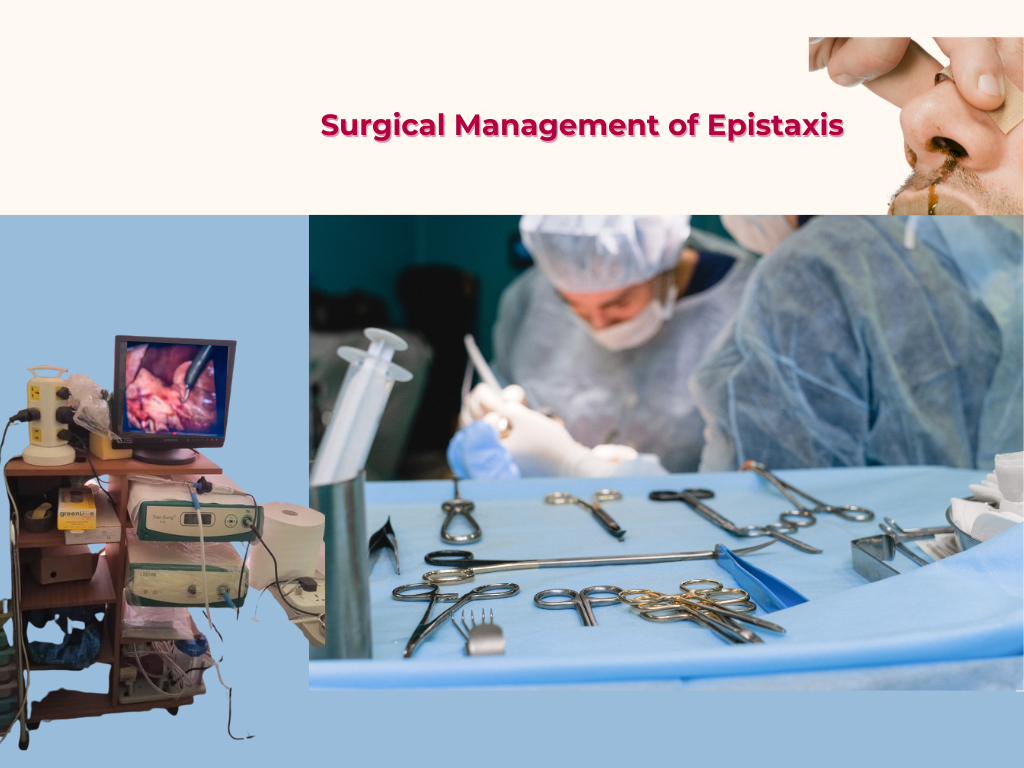
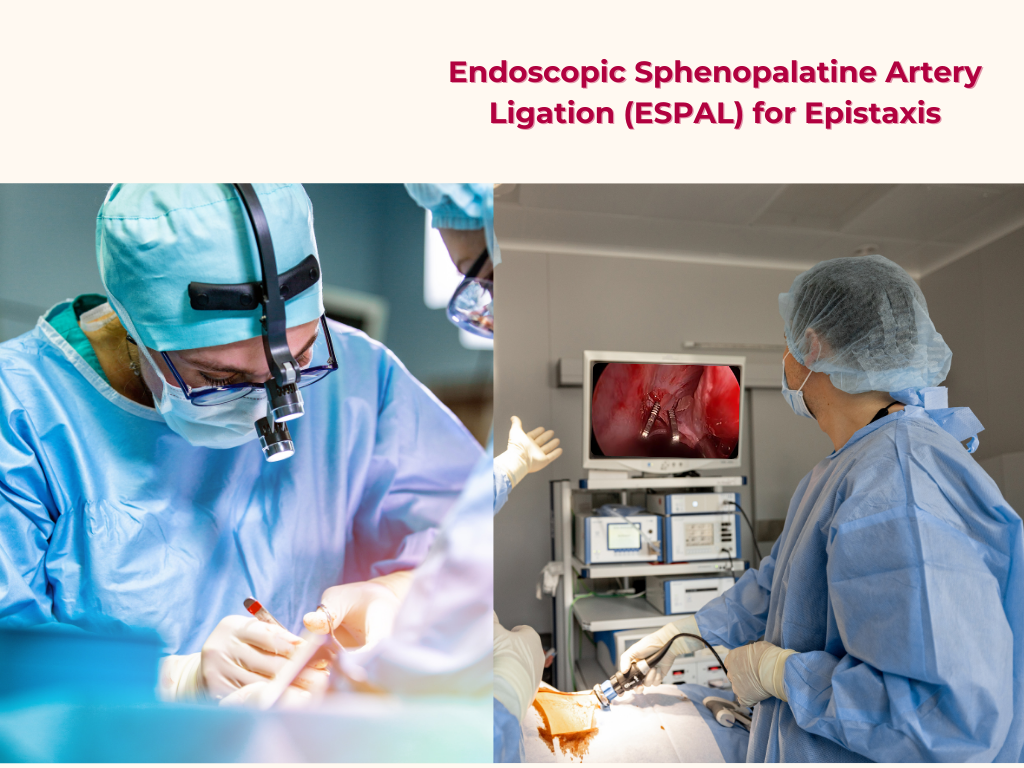
Surgical Options for Severe
Epistaxis
Epistaxis, or nosebleed, can be a challenging condition to manage, especially when it is severe or recurrent. Surgical management may be necessary when . . . . . . . . . .