
Comprehensive Overview of Infectious Mononucleosis
Overview
Infectious mononucleosis, often called “mono” or “the kissing disease,” is a clinical syndrome caused primarily by infection. It is most common in adolescents and young adults and is characterized by fever, pharyngitis, lymphadenopathy, and fatigue. While usually self-limiting, it can have significant complications.
What is Infectious Mononucleosis?
Infectious mononucleosis is an acute, self-limited lymphoproliferative disorder caused predominantly by Epstein-Barr Virus (EBV), a member of the Herpesviridae family. It is characterized by the triad of fever, pharyngitis, and cervical lymphadenopathy, with atypical lymphocytosis on blood film.
Epidemiology
-
Agent:
EBV infects >90% of the world population by adulthood.
-
Age:
Bimodal distribution. Primary infection in childhood is often asymptomatic. In high-income countries, symptomatic mono peaks at 15-24 years. In low-income countries, most infections occur before age 5.
-
Transmission:
Most common through saliva. Requires close contact.
-
Seasonality:
No clear seasonality. Sporadic cases year-round.
-
Sex:
Equal incidence in males and females.
Pathophysiology - Microbiology
Microbiology - EBV
EBV is a double-stranded DNA virus. It has tropism for B-lymphocytes and oropharyngeal epithelial cells. After infection, it establishes lifelong latent infection in memory B-cells.
Route of Spread
1. Saliva: Primary route. Kissing, sharing utensils, cups, toothbrushes.
2. Blood transfusion / Organ transplant: Rare
3. Vertical transmission: Rare
Incubation Period
4 to 6 weeks. Longer in adults than in children.
Mechanism of Disease
EBV infects oropharyngeal epithelial cells, infects naive B-cells and results in B-cell proliferation.
The symptoms are not directly from viral killing but from the host immune response. CD8+ cytotoxic T-cells proliferate massively to control infected B-cells. These are the “atypical lymphocytes” seen on blood smear. Cytokines released cause fever, malaise, and lymphoid tissue hyperplasia
Organs Involved
EBV has lymphoid tropism, so lymphoid organs are primarily affected:
-
Lymph nodes
Generalized lymphadenopathy, especially posterior cervical
-
Spleen
Splenomegaly in ∼50% of cases. Risk of rupture
-
Liver
Mild hepatitis with hepatomegaly in ∼10%
-
Pharynx/Tonsils
Tonsillitis, exudative pharyngitis
-
Other
Bone marrow, CNS, kidneys, heart, lungs can be involved in complications
Ebv Exclusivity & Significance Of Serology
EBV causes ∼90% of infectious mononucleosis cases. The other 10% are caused by CMV, Toxoplasma, HIV, Adenovirus, etc. This is called “mono-like syndrome”.
EBV Serology Panel:
VCA IgM: Viral Capsid Antigen IgM
VCA IgG: Viral Capsid Antigen IgG
EA IgG: Early Antigen IgG
EBNA IgG: Epstein-Barr Nuclear Antigen IgG
| Test | Timing | Significance |
|---|---|---|
|
VCA IgM |
Appears early, peaks 2-3 weeks. |
Acute infection, Disappears in 4-8 weeks |
|
VCA IgG |
Appears with IgM, persists for life. |
Means Acute or past infection |
|
EA IgG |
Appears 3-4 weeks after onset. |
Past infection. Negative in acute mono |
|
EBNA IgG |
Variable |
Seen in acute infection and reactivation |
Pattern for Acute Mono: VCA IgM+, VCA IgG+, EBNA IgG-
Pattern for Past Infection: VCA IgG+, EBNA IgG+, VCA IgM-
Symptoms And Signs of mononucleosis
-
The classic triad:
Fever + Pharyngitis + Lymphadenopathy
-
General:
Fever 38-40°C, profound fatigue, malaise, headache, myalgia - lasts 2-4 weeks
-
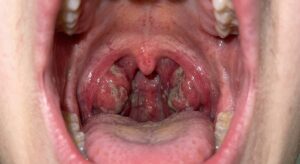
Tonsillitis / Pharyngitis
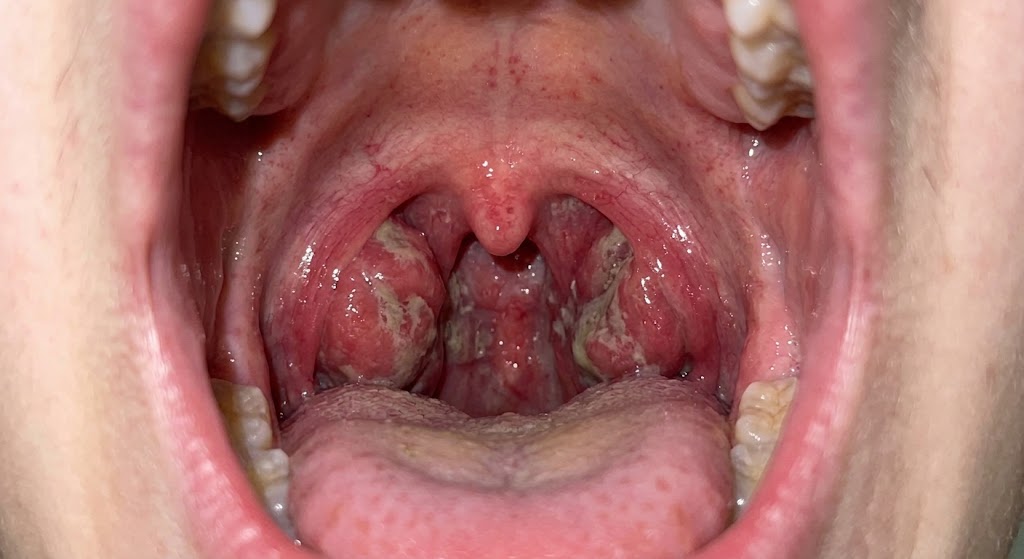
- Exudative tonsillitis with large, edematous tonsils and white exudate.
- Palatal petechiae at junction of hard and soft palate is classic.
- Tonsillar hypertrophy can be marked
-
Lymphadenopathy:
Tender, posterior cervical > anterior cervical > axillary. Can be generalized.
-
Other:
Splenomegaly, hepatomegaly, jaundice 5-10%, rash. Ampicillin rash if given.
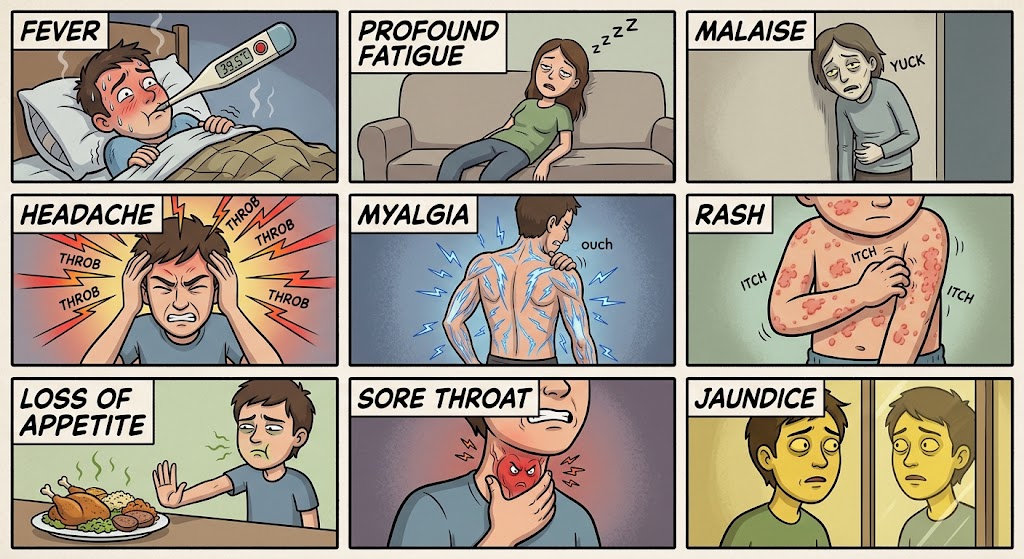
Figure 1: Signs and Symptoms of Mononucleosis
Investigations & Tests
Full Blood Count + Blood Film
- WBC: Normal or elevated 10-20 x 10^9/L
- Lymphocytosis: >50% lymphocytes
- Atypical lymphocytes: >10%. Large, reactive CD8+ T-cells. Sensitive but not specific.
- Mild thrombocytopenia, mild anemia can occur.
Monospot Test / Heterophile Antibody Test
Detects IgM antibodies that agglutinate sheep RBCs.
- Sensitivity: 70-92%. Lower in children <4 years and in first week
- Specificity: 90-95%
- Result in 1-2 min: False positives in lymphoma, leukemia, hepatitis.
EBV Serology
Gold standard. More sensitive and specific than Monospot, especially early and in children.
- Sensitivity: > 95% for VCA IgM/IgG
- Specificity: >95%
Complications Of Infectious Mononucleosis
Most are rare but can be severe:
-
Haematologic:
Haemolytic anemia, thrombocytopenia, aplastic anemia
-
Neurologic:
Aseptic meningitis, encephalitis, Guillain-Barre, cranial nerve palsies
-
Splenic rupture:
∼0.1-0.5%. Most common cause of death
-
Airway obstruction
-
Cardiac:
Myocarditis, pericarditis
-
Hepatic:
Hepatitis, cholestatic jaundice
Infectious Mononucleosis and Nephropathy
Rare. Mechanisms include:
-
Immune-complex glomerulonephritis: Mesangial GN
-
Interstitial nephritis
-
Acute renal failure secondary to severe hemolytic anemia or dehydration
Usually self-limiting. Presents with proteinuria, hematuria, and mild renal impairment.
Infectious Mononucleosis and Septicamia
EBV itself does not cause bacterial septicaemia. However:
-
Severe immunosuppression can predispose to secondary bacterial infections
-
Haemophagocytic lymphohistiocytosis (HLH) can mimic sepsis with fever, cytopenias, and organ failure.
-
In immunocompromised patients, EBV can cause lymphoproliferative disorders that resemble sepsis
Infectious Mononucleosis and Upper Airway Obstructive Disease
Massive tonsillar and adenoidal hypertrophy + cervical lymphadenopathy can cause airway compromise.
Indications for Tracheostomy: Very rare. Reserved for:
-
Severe airway obstruction not responding to steroids
-
Impending airway loss with stridor at rest
First line is IV corticosteroids like prednisone to rapidly reduce lymphoid tissue edema.
Infectious Mononucleosis and Tonsillitis
Tonsillitis is a core feature. It is usually exudative and more severe than bacterial tonsillitis.
-
Key difference:
Mono tonsillitis often has posterior cervical nodes, splenomegaly, and atypical lymphocytes.
-
Pitfall:
Do NOT give amoxicillin/ampicillin - causes 90% rash in EBV patients.
Management Of Infectious Mononucleosis
It is supportive. No specific antiviral is routinely recommended.
-
Rest:
Especially during acute febrile phase
-
Hydration + Analgesics/Antipyretics:
Paracetamol, Ibuprofen for fever and sore throat
-
Gargles:
Warm salt water for throat
-
Avoid contact sports:
For at least 3-4 weeks or until splenomegaly resolves due to rupture risk
-
Steroids:
Short course of prednisone for severe tonsillar hypertrophy, airway obstruction, hemolytic anemia, or neurologic complications
-
Antivirals:
Acyclovir has limited benefit and is not standard
When to Initiate Antibiotics
Antibiotics are NOT indicated for EBV itself.
Initiate only if there is confirmed secondary bacterial infection:
Group A Strep throat: Confirmed by rapid strep test or culture
- Sinusitis, otitis media
- Pneumonia
- Avoid penicillins like amoxicillin due to high rash risk.
Infectious Mononucleosis And Tonsillectomy Decision
Tonsillectomy: is NOT routine. Consider only in specific cases:
- Recurrent severe tonsillitis unrelated to mono
- Airway obstruction refractory to medical therapy with steroids
- Peritonsillar abscess not responding to drainage
During acute mono, surgery is high risk due to bleeding and poor healing. Defer until acute phase resolves.
Period Of Recovery
-
Acute symptoms:
Fever and sore throat resolve in 2-3 weeks
-
Fatigue:
Can persist for 2-3 months. "Post-viral fatigue"
-
Lymphadenopathy/Splenomegaly:
May take 4-6 weeks to resolve
-
Return to normal activity:
Gradual. Avoid heavy exercise for 4 weeks
Factors That Affect Mortality Rate
Overall, mortality is <1%. Higher mortality is associated with:
-
Splenic rupture with hemorrhagic shock
-
Severe neurologic complications: Encephalitis
-
Airway obstruction leading to asphyxia
-
Hematologic complications:
Severe aplastic anemia
-
Immunocompromised state:
Risk of EBV-driven lymphoproliferative disease
-
Secondary bacterial sepsis from complications
For tonsillitis specifically: mortality is increased by airway obstruction, peritonsillar abscess with sepsis, and post-tonsillectomy bleeding.
In Conclusion,
Infectious mononucleosis is a common, usually benign, self-limited disease of adolescents caused primarily by EBV. Diagnosis relies on clinical features supported by FBC and serology. Management is supportive.
The main clinical concerns are complications, particularly splenic rupture and airway obstruction. Recognition of atypical presentations and appropriate serologic testing are key. Patient education on activity restriction and avoiding ampicillin is essential.
3 Quick Mnemonics To Remember
-
Clinical Triad:
`FPL` = Fever, Pharyngitis, Lymphadenopathy
-
Complications to fear:
`SAD` = Splenic rupture, Airway obstruction, Downey cells gone wrong = HLH/Anemia
-
Serology for Acute EBV:
`MIGN` = Missing EBNA, IgM Good Now = VCA IgM+, EBNA-O
Share Post On:
Recent Posts
Categories
Get in Touch
Read doctor-produced health and medical information written for you to make informed decisions about your health concerns.