
Laryngopharyngeal Reflux Disease (LPR)
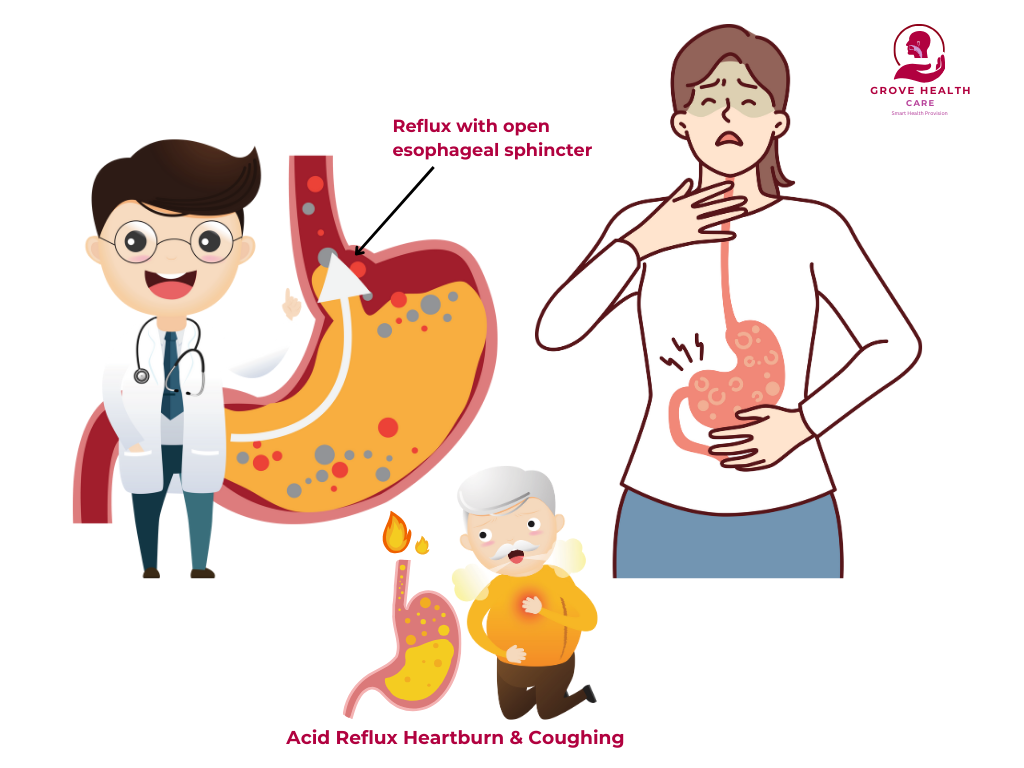
Laryngopharyngeal reflux, epidemiology, aetiology, pathophysiology, symptoms and signs management and complications.
Laryngopharyngeal reflux (LPR) is a condition in which stomach acid flows back into the throat (pharynx), causing symptoms and damage to the larynx (voice box) and pharynx.
Epidemiology
- Prevalence: Laryngopharyngeal reflux, LPR affects approximately 10-20% of the general population.
- Age: LPR can occur at any age, but it’s more common in adults.
- Sex:: LPR affects both males and females, but females are more likely to experience symptoms.
Aetiology
- Gastroesophageal Reflux Disease (GERD): LPR is often associated with GERD, a condition in which stomach acid flows back into the esophagus. The presence of Helicobacter Pylori (H. Pylori) infection in the stomach can exercebate GERD and hence LPR.
- Weakened Lower Esophageal Sphincter (LES): A weakened LES allows stomach acid to flow back into the esophagus and throat.
- Hiatal Hernia: A hiatal hernia can cause the stomach to slide up into the chest, increasing the risk of acid reflux.
- Obesity: Excess weight can put pressure on the stomach, causing acid reflux.
- Diet: Consuming trigger foods and drinks, such as citrus fruits, tomatoes, and chocolate, can exacerbate LPR symptoms.
Pathophysiology
- Acid Reflux: Stomach acid flows back into the esophagus and throat, causing inflammation and damage.
- Pepsin: Pepsin, a digestive enzyme, can also flow back into the throat, causing damage and inflammation.
- Inflammation: Chronic inflammation can lead to scarring, narrowing, and stiffness of the throat and vocal cords.
Symptoms and Signs
-
Hoarseness
A raspy or strained voice
-
Coughing
A chronic cough, often worse at night.
-
Throat Clearing
Frequent throat clearing or feeling like there's something stuck in the throat.
-
Sore Throat
A persistent sore throat or feeling of burning.
-
Difficulty Swallowing
Trouble swallowing or feeling like food is getting stuck.
-
Postnasal Drip
A sensation of mucus running down the back of the throat. Investigations:
Investigations
FBC, MCV, MCHC, ESR, Stool for H. Pylori Antigen.
Could also do flexible nasolaryngoscopyaand upper Gastrointestinal endoscopy (oesophago-gastro-duodenoscopy) to confirm GERD and LPR, to rule out hiatus hernia,Carcinoma etc.
Management
-
Lifestyle Changes
Avoid trigger foods and drinks, delay going to sleep for at least 2hours after meals, elevate the head of the bed, and lose weight if necessary. Minimize pepper and spices intake, alcohol and caffeine reduced to the barest minimum
-
Medications
Antacids, histamine-2 (H2) blockers, and proton pump inhibitors (PPIs), prokinetic agents can help reduce acid production and alleviate symptoms. Prokinetic agents like motilium can also help reduce reflux.
-
Throat Sprays
Sprays containing ingredients like phenol or benzocaine can help numb the throat and reduce discomfort.
-
Voice Therapy
A speech-language pathologist can help improve vocal technique and reduce strain on the vocal cords.
Complications
-
Chronic Cough
Untreated LPR can lead to a chronic cough, which can be debilitating and affect quality of life.
-
Vocal Cord Damage
Repeated exposure to stomach acid can cause scarring, nodules, or polyps on the vocal cords, leading to chronic hoarseness or vocal cord dysfunction.
-
Respiratory Problems
LPR can increase the risk of respiratory problems, such as asthma, chronic obstructive pulmonary disease (COPD), and pneumonia.
-
Esophageal Cancer
Untreated GERD and LPR may increase the risk of esophageal cancer.
Share Post On:
Recent Posts
-
Stridor Demystified
-
Management of Septal Deviation
-
Anatomy of Nasal Septum / Septal Pathology
-
Comprehensive Overview of Infectious Mononucleosis
-
Types of pulse oximeters
-
Laser In Modern Otorhinolaryngology (Orl) Practice
-
Comprehensive Overview of Choanal Atresia
-
Comprehensive Overview of Adenoids & Adenoid Facies
-
Synoptic Overview Of Glue-Ear = Serous Otitis Media / Otitis Media With Effusion (OME)
-
Plummer-Vinson Syndrome / Paterson-Brown-Kelly Syndrome
-
All you need to know about Continuous Positive Airway Pressure (CPAP)
-
Nuggets of ORL-Head & Neck Surgery
-
Nuggets of ORL- Operative Surgery
-
Overview of AI Tools In Modern ORL Practice
-
Nuggets of ORL-LARYNGOLOGY
-
All You Need To Know About PET Scan
-
Nuggets of ORL-PAEDIATRICS
-
Nuggets of ORL-OTOLOGY
-
Nuggets of ORL-RHINOLOGY
-
Nuggets of Otorhinolaryngology-Basic sciences
-
Anatomy of the Muscles of the Soft Palate
Categories
Get in Touch
Read doctor-produced health and medical information written for you to make informed decisions about your health concerns.