
Noise pollution, also known as sound pollution, is the excessive and unwanted sound that disrupts the natural environment and affects human health and wildlife. It is a growing concern worldwide, and its impact can be severe.
Sources of Noise Pollution
- Transportation: Traffic, airplanes, and trains are significant sources of noise pollution.
- Industrial Activities: Factories, construction sites, and mining operations generate excessive noise.
- Recreational Activities: Loud music, sports events, and fireworks , especially during festive seasons and festivals can contribute to noise pollution.
- Religious practices: Loud singing, drumming and other musical instruments exposes to noise induced hearing loss, especially those closed to source of noise.
- Household Appliances: Loud appliances, such as blenders, lawn mowers and leaf blowers, electric generators, water pumps motors etc. can also contribute to noise pollution.
- Accidental explosions: Accidental explosions such as gas, petrol etc and blast activities using dynamite in the mines all can lead to noise explosion.
- Occupational: Those who work at call centres and receive un-regulated calls, Radio and TV call-in programs etc are exposed to loud noise that can damage hearing.
Effects of Noise Pollution
-
Hearing Loss
Prolonged exposure to loud noises can cause permanent hearing loss.
-
Sleep Disturbances
Noise pollution can disrupt sleep patterns, leading to fatigue, decreased productivity, and other health issues.
-
Stress and Anxiety
Excessive noise can cause stress, anxiety, and other mental health issues.
-
Cardiovascular Disease
Chronic exposure to noise pollution has been linked to an increased risk of cardiovascular disease.
-
Impact on Wildlife
Noise pollution can disrupt animal communication, behaviour, and habitats, leading to changes in population dynamics and ecosystems.
Prevention and Control Measures
-
Noise-Reducing Technologies
Implementing noise-reducing technologies, such as sound-proofing materials and noise-absorbing panels, can help mitigate noise pollution.
-
Regulations and Policies
Establishing and enforcing noise regulations and policies can help reduce noise pollution.
-
Public Awareness
Educating the public about the effects of noise pollution and promoting noise-reducing behaviors can help mitigate the issue.
-
Alternative Modes of Transportation
Promoting alternative modes of transportation, such as walking, cycling, or using public transport, can help reduce noise pollution from traffic.
International Standards and Guidelines
-
World Health Organization (WHO)
The WHO recommends that outdoor noise levels should not exceed 50 decibels (dB) at night and 55 dB during the day.
-
European Union (EU)
The EU has established noise limits for different environments, including industrial, residential, and recreational areas.
-
United States Environmental Protection Agency (EPA)
The EPA has established noise standards for various sources, including transportation and industrial activities.
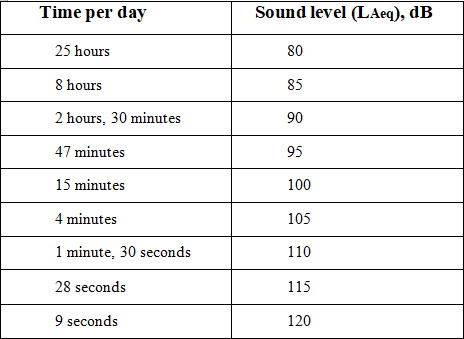
WHO noise level chart
In conclusion, noise pollution is a significant environmental and health issue that requires attention and action. By understanding the sources, effects, and prevention measures, we can work towards creating a quieter and healthier environment for all.
Share Post On:
Recent Posts
-
Stridor Demystified
-
Management of Septal Deviation
-
Anatomy of Nasal Septum / Septal Pathology
-
Comprehensive Overview of Infectious Mononucleosis
-
Types of pulse oximeters
-
Laser In Modern Otorhinolaryngology (Orl) Practice
-
Comprehensive Overview of Choanal Atresia
-
Comprehensive Overview of Adenoids & Adenoid Facies
-
Synoptic Overview Of Glue-Ear = Serous Otitis Media / Otitis Media With Effusion (OME)
-
Plummer-Vinson Syndrome / Paterson-Brown-Kelly Syndrome
-
All you need to know about Continuous Positive Airway Pressure (CPAP)
-
Nuggets of ORL-Head & Neck Surgery
-
Nuggets of ORL- Operative Surgery
-
Overview of AI Tools In Modern ORL Practice
-
Nuggets of ORL-LARYNGOLOGY
-
All You Need To Know About PET Scan
-
Nuggets of ORL-PAEDIATRICS
Categories
Get in Touch
Read doctor-produced health and medical information written for you to make informed decisions about your health concerns.