
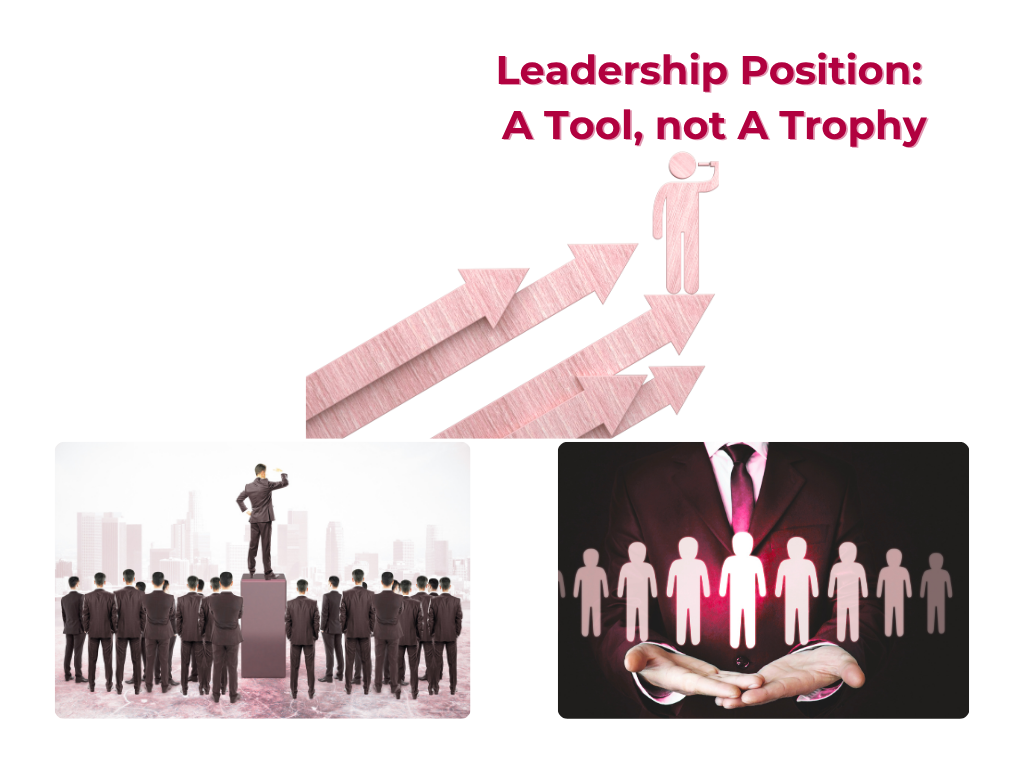
Leadership Position is a Tool, not a Trophy
Overview
The assertion that a leadership position is a “tool” not a “trophy” highlights a crucial distinction in the way leaders approach their roles. This discussion will explore the implications of this perspective, emphasizing the responsibilities, challenges, and opportunities that come with leadership.
Leadership as a Tool
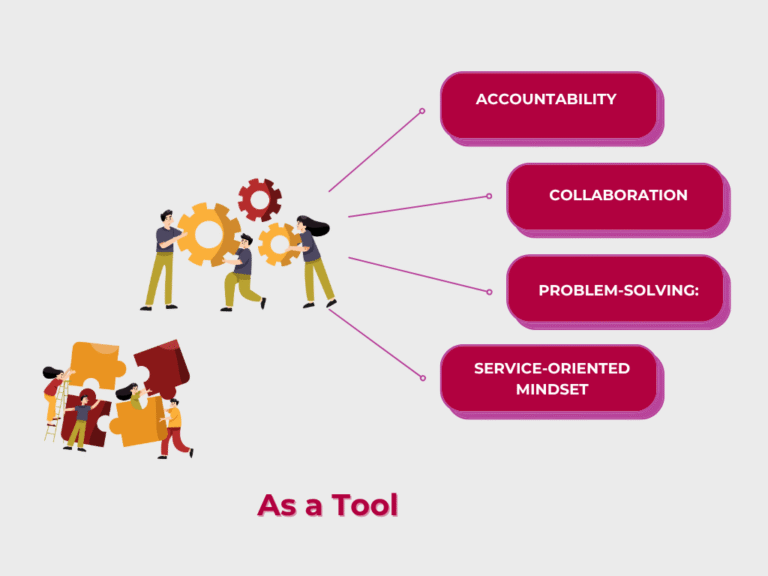
When leaders view their position as a tool, they focus on utilizing their authority to achieve specific goals, drive progress, and serve the organization or community.
This perspective emphasizes:
-
1. Service-oriented mindset:
Leaders prioritize the needs of their team, organization, or community, working to empower and support others.
-
2. Accountability:
Leaders recognize their responsibility to deliver results, make informed decisions, and take ownership of their actions.
-
3. Problem-solving:
Leaders use their position to address challenges, overcome obstacles, and find innovative solutions.
-
4. Collaboration:
Leaders foster partnerships, build relationships, and facilitate communication to achieve common objectives.
Leadership as a Trophy
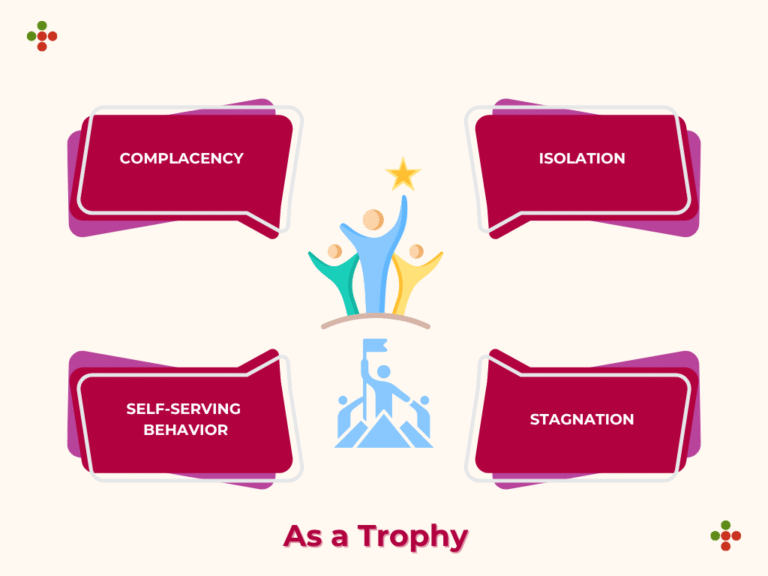
In contrast, when leaders view their position as a trophy, they often focus on personal gain, prestige, and recognition.
This perspective can lead to:
-
1. Self-serving behavior
Leaders prioritize their own interests, using their position for personal advancement or gratification.
-
2. Complacency
Leaders become satisfied with their status, failing to adapt, innovate, or address challenges.
-
3. Isolation
Leaders may become disconnected from their team or organization, making decisions without considering the impact on others.
-
4. Stagnation
Leaders miss opportunities for growth, learning, and improvement, ultimately harming the organization or community.
Implications of the Assertion
The distinction between viewing leadership as a tool versus a trophy has significant implications for:
-
1. Organizational culture
Leaders who see their position as a tool foster a culture of collaboration, innovation, and service, while those who view it as a trophy may create a culture of entitlement and complacency.
-
2. Team dynamics
Leaders who prioritize service and accountability tend to build trust, motivate their team, and drive results, whereas self-serving leaders may create conflict, demotivate their team, and hinder progress.
-
3. Personal growth
Leaders who approach their position as a tool are more likely to learn, adapt, and grow, while those who see it as a trophy may stagnate and miss opportunities for development.
In conclusion, the assertion that a leadership position is a “tool” not a “trophy” highlights the importance of a service-oriented, accountable, and collaborative approach to leadership. By recognizing the responsibilities and challenges that come with leadership, individuals can harness their position to drive positive change, achieve results, and make a lasting impact. Ultimately, effective leaders understand that their position is a means to an end, not an end in itself.
Share Post On:
Recent Posts
-
Nuggets of ORL- Operative Surgery
-
Overview of AI Tools In Modern ORL Practice
-
Nuggets of ORL-LARYNGOLOGY
-
All You Need To Know About PET Scan
-
Nuggets of ORL-PAEDIATRICS
-
Nuggets of ORL-OTOLOGY
-
Nuggets of ORL-RHINOLOGY
-
Nuggets of Otorhinolaryngology-Basic sciences
-
Anatomy of the Muscles of the Soft Palate
-
Ethmoidal Arteries Ligation for Epistaxis
-
Submucous Cleft Palate (SMCP)
-
Approach to Ligation of the External Carotid Artery
-
Approach to Managing a 3-Year-Old Boy with a Foreign Body in the nasal cavity.
-
Approach to Managing a 3-Year-Old Boy with a Foreign Body impacted in the ear canal.
-
Endoscopic Sphenopalatine Artery Ligation (ESPAL) for Epistaxis
-
Surgical Management of Epistaxis
-
Technique of Incision and Drainage of Septal Hematoma/Septal Abscess
-
Upper Aerodigestive Tract Foreign Body Impaction
-
Incision and Drainage of Hematoma Auris
-
Rigid Bronchoscopy for Retrieval of Foreign Bodies in Children
-
Foreign Body Impaction in the Larynx, Trachea, and Bronchi
-
Leadership Position is a Tool, not a Trophy
-
Carcinoma of the Oropharynx
-
Peritonsillar Abscess
-
Ethics of Doctor-Patient Relationship
-
Doctor-Patient Relationship Case Scenarios
-
Asymmetrical Tonsils and Approach to Evaluation and Management
-
Nasal Polyposis
-
Rigid Oesophagoscopy and Complication
-
Anatomy of Oesophagus
-
Stridor, Snoring, Stertor And Wheezing: How They Compare
-
Temporomandibular Joint (TMJ)
-
Otoacoustic Emissions
-
Tympanometry
-
Functional Endoscopic Sinus Surgery (FESS)
-
Tracheostomy
-
Clinical Voice Test (CVT) for Hearing Loss
-
Acute Epiglottitis And Approach To Management
-
Synoptic Overview Of Nasopharyngeal Carcinoma
-
Prioritizing Support For People With Disabilities Over Unhealthy Competitions That Marginalise The Downtrodden
Categories
Get in Touch
Read doctor-produced health and medical information written for you to make informed decisions about your health concerns.