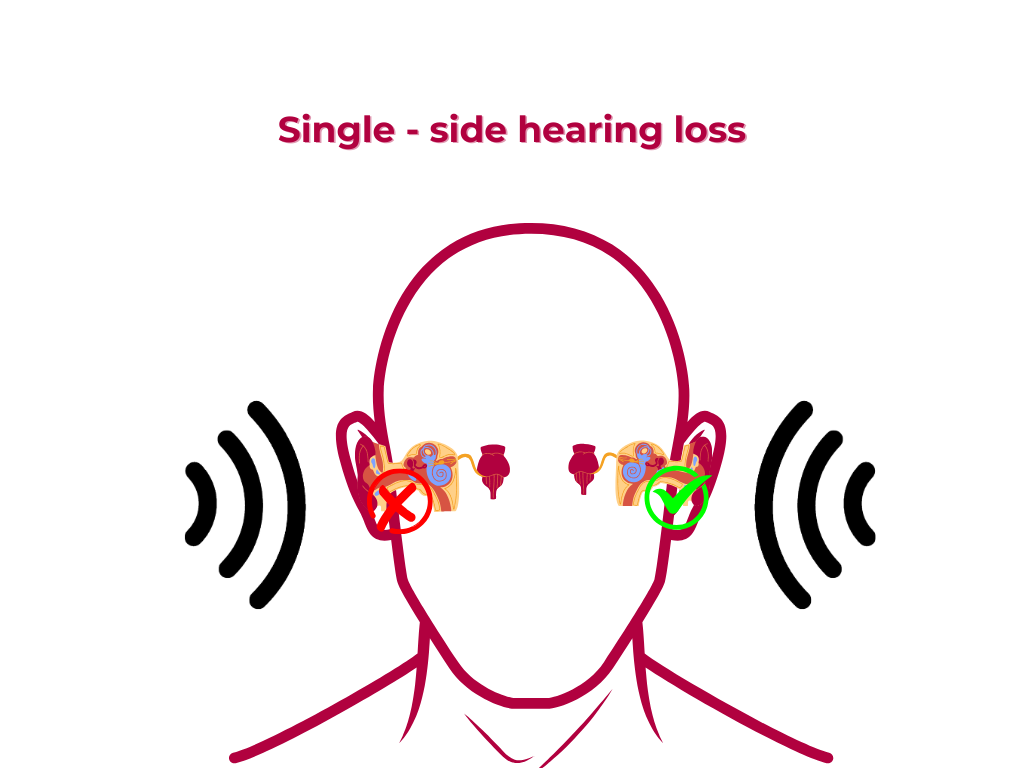
Unilateral Conductive Hearing Loss
Unilateral conductive hearing loss (UCHL) occurs when there is a problem with the middle ear that affects sound conduction to the inner ear, resulting in hearing loss in one ear.

Unilateral conductive hearing loss (UCHL) occurs when there is a problem with the middle ear that affects sound conduction to the inner ear, resulting in hearing loss in one ear.

An 8- year old boy presented with a history of mumps, which happened 6 months prior but resolved completely. Around the same time caretakers noticed progressive declined in his response to his name and instructions. This was attributed to spiritual forces, so was not sent for medical care.

Noise pollution, also known as sound pollution, is the excessive and unwanted sound that disrupts the natural environment and affects human health and wildlife. It is a growing concern worldwide, and its impact can be severe.
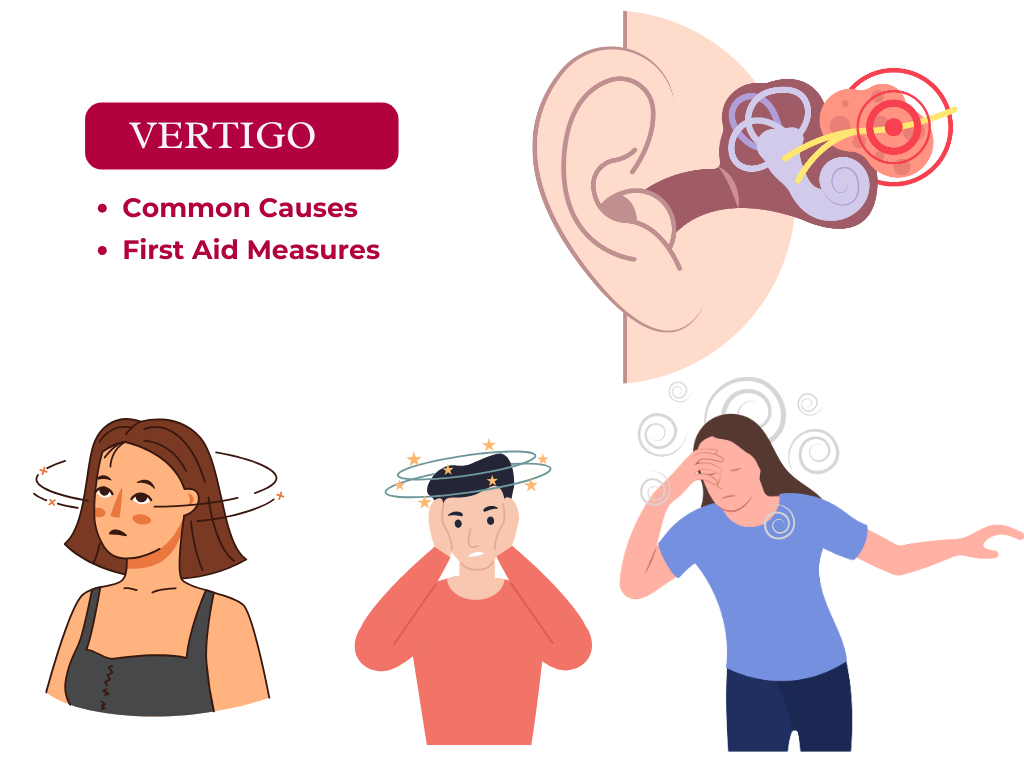
Vertigo is a type of dizziness characterized by a false sense of spinning or movement of the environment around you. It’s a sensation that can be intense and debilitating, making it difficult to maintain balance, walk, or even stand.
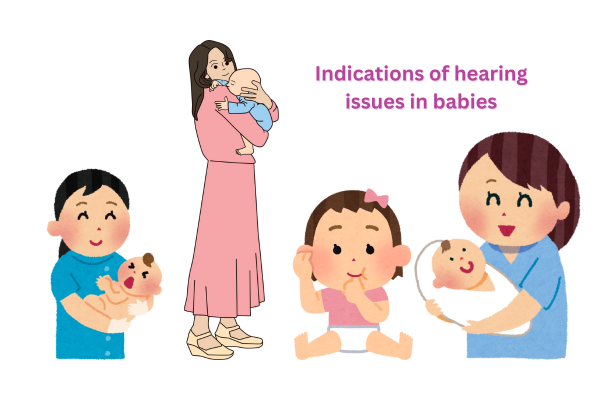
Identifying hearing difficulties in infants is crucial for timely intervention and support. Here are some tell-tale signs that may indicate an infant has hearing difficulty.
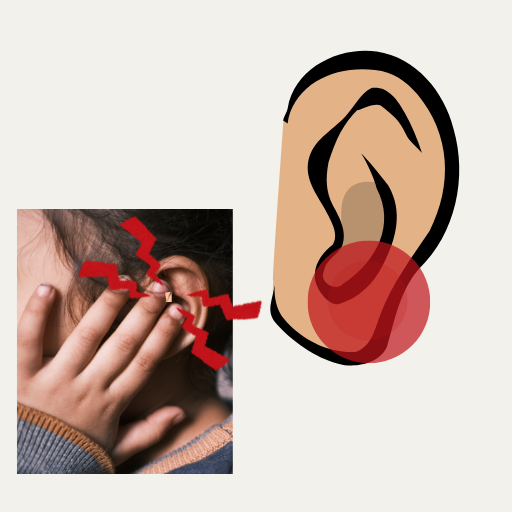
Ear aches can be quite uncomfortable. Here are some common reasons why your ear might ache. The common causes include the following…
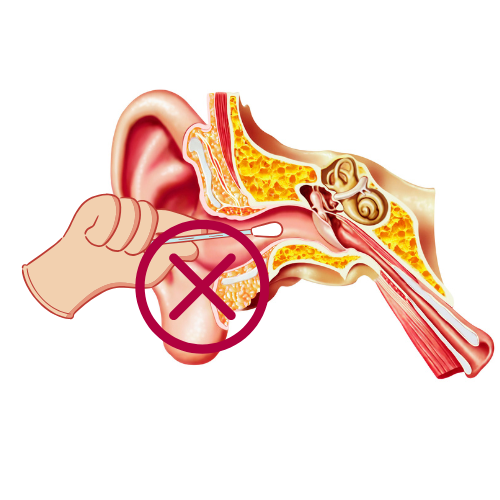
Using cotton swabs (Q-tips) to clean or scratch itchy ears can do more harm than good. Here’s why:
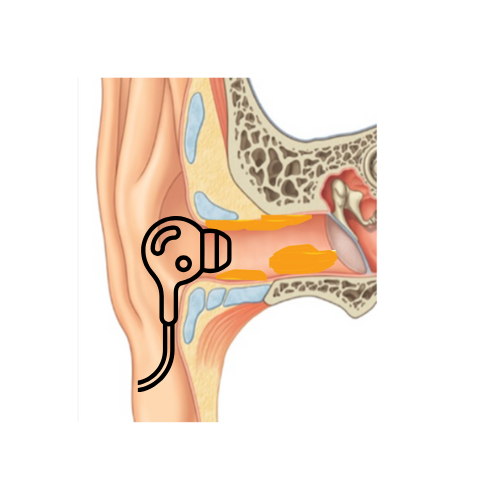
The use of earphones with mobile devices is not is not to be avoided completely. This technologically advanced tool has come to stay with us, especially with the youth.
Used in a knowledgeable way could be very enjoyable.
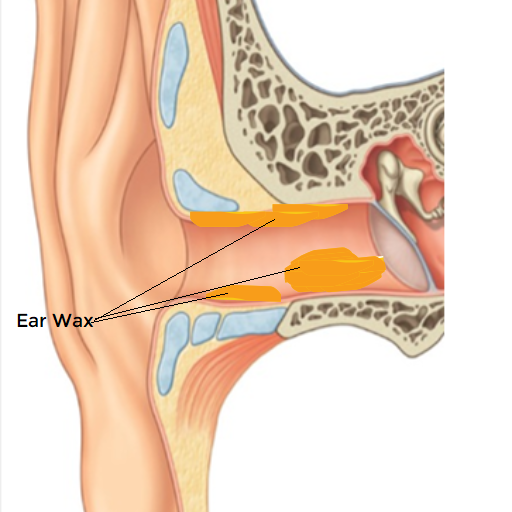
Earwax, also known as cerumen, is a natural substance produced by the glands in the ear canal. It plays a crucial role in maintaining ear health, but excessive earwax can cause problems.
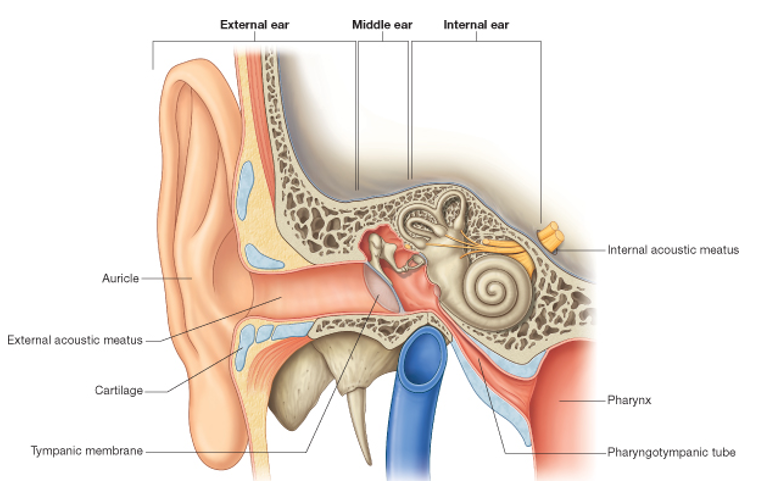
There are three main parts of your ear including the outer ear, middle ear and inner ear. Your tympanic membrane (eardrum) separates your outer ear and middle ear.